Featured
Table of Contents
: Consider your site's goals, target audience, and needed functions, both now and in the future.: Shortlist CMS service providers or partners that could satisfy your requirements.: Examine the features, prices, and support provided by the shortlisted CMS options.: Clearly document your needs and expectations in a demand for proposal (RFP) to show potential CMS service providers.
When selecting a CMS, think about these 7 factors: Aspect Description Evaluate the total cost, including licensing, implementation, and upkeep. Guarantee the CMS fulfills your business needs, such as scalability, security, and integration with existing systems. Pick a CMS with an instinctive user interface that is simple to utilize and handle. Choose a CMS enhanced for search engines and with SEO-friendly features.
Consider a CMS that offers personalization options to meet your special service requirements. Examine the hosting choices and guarantee they satisfy your requirements for scalability, security, and dependability.
Designing Responsive Mobile Experiences in 2026
8 min checked out time Looking for a business CMS? Big business generally have complex sites that require careful factor to consider when it comes to content management.
We'll likewise explain how to select an enterprise CMS, which important features to be on the lookout for, a few of the very best options on the marketplace today and how to make sure the CMS platform you choose satisfies your business's intricate needs. As your organization grows, managing content ends up being progressively harder.
An enterprise CMS is aimed at bigger organizations. These business usually have a big headcount, several groups and multiple sites, and complicated material and marketing operations, needing a robust platform to manage every aspect of their digital experiences.
The choice between an enterprise and conventional CMS mostly depends on your organization goals, target audience, and resources. Let's quickly wrap up a few of the core distinctions in between the two: Enterprise CMSs can be customized to fit business-specific requirements, unlike conventional CMS platforms. Traditional CMSs are typically restricted to providing content to websites, while business CMSs can press out content across apps, IoT gadgets, and more.
Navigating New Emerging Landscape Behind AEO
Business CMSs are by their nature rather complicated, and comparing functions can be frustrating. To cut through the sound, we suggest searching for the following key abilities. Versatility in providing content is a needs to for any business. With a traditional (or monolithic) CMS, you're normally restricted to specific platforms and channels.
This suggests that, no matter whether your users are on a desktop, smartphone, or IoT device, they'll still get a constant experience across all channels. If you remain in the marketplace for an enterprise CMS, opportunities are you're currently in the thick of managing large volumes of material and are preparing for more of the exact same in the future.
Make sure your CMS can level up together with your business. Security is an essential factor to consider when looking for a new CMS for your enterprise organization. You'll likewise desire to ensure your CMS can comply with any specific standards and guidelines your organization needs to adhere to.
You'll take advantage of a variety of choices to tailor your site or digital experience to your specific requirements. These can vary from easy adjustments to the appearance of your site, to more complicated modifications that alter the functionality and behavior of content. This one practically goes without saying, but speaking as someone who works inside a CMS on the day-to-day, it requires to be user-friendly and easy to use.
Enterprise CMSs support personalization by leveraging information to deliver targeted content to various audiences. Whether through content recommendations, targeted messaging, or product ideas, the capability to customize experiences at scale is key to ensuring business growth. With more innovative customization capabilities, big organizations can optimize every element of the consumer journey, from initial interaction to post-purchase engagement.
Creating Immersive Environments for High-Traffic WebsitesInnovative Front-End Systems to Improve Users
Your enterprise CMS should make it simple for your company to manage numerous websites and languages within a single platform. Automated workflows simplify content development, editing, approvals and publishing. They keep the whole group in the loop, smooth the journey of multistage approval processes, and foster closer collaboration. In other words, they're important.
Lots of different material. That can be a lot to deal with. Your CMS should keep you in complete control by enabling you to develop users, groups, and roles, then appoint them protect access to various kinds of material. Executing a new CMS within a big organization features its reasonable share of challenges, from onboarding and system integrations, to stakeholder alignment.
Make certain you drill down into the overall expense of ownership (TCO), consisting of the initial application, licensing fees, continuous upkeep and support, upgrades, and personalizations. And when it comes to delivering ROI, make sure your picked CMS has a fast time-to-market. It's important to get buy-in from various departments (marketing, IT, legal) to ensure extensive adoption and smooth operations.
Top Web Tools for Adopt During 2026
Once you have actually done that, ask the following concerns about each enterprise CMS you're considering: Start with an obvious one: your organization objectives, procedures and operations. That method, you can truly focus on the particular needs and requirements your new CMS needs to deal with. Seek advice from with your digital, marketing and IT teams on our content creation procedure, distribution and workflows.
Business content management systems are constructed to scale perfectly along with your development, accommodating larger content volumes and more intricate campaigns. While ease of use isn't always the leading concern for business CMS purchasers, it actually matters to your group. Lower their learning curve and assist them get up to speed quicker with a CMS that's simple to utilize.
Evaluate their client support channels, training resources, and offered documents to ensure they can provide the assistance you need throughout your journey. It's likewise crucial to assess the vendor's roadmap for future advancements. Comprehending their dedication to innovation and remaining ahead of digital trends can provide you some insight into the durability of their platform.
Humor us for a minute while we wax lyrical about our really own CMS.
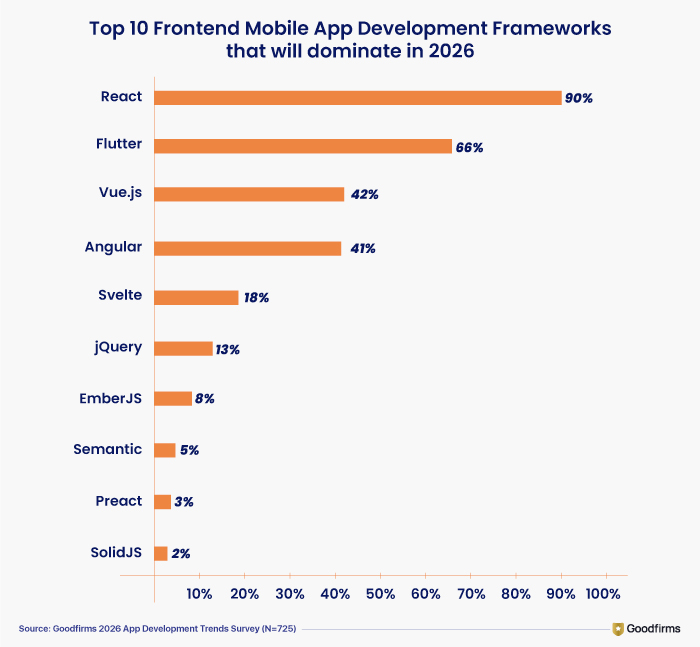
Whether you need to power an extremely personalized website, deliver dynamic material to mobile apps, or produce content for IoT devices, Optimizely's CMS provides the flexibility to deliver your material any place your users are. Plus, unlike purely headless CMS platforms, Optimizely's hybrid offering offers designers the freedom to construct frontend applications in the structure of their option, while material supervisors and editors can continue to utilize an user-friendly, integrated material production platform.

Latest Posts
Scaling Modern AI Content Workflows
Boosting Digital Engagement Via Innovative Interface Styles
Analyzing Old SEO Vs 2026 AI Search Methods